
Hot Runner I/O Cell Integration
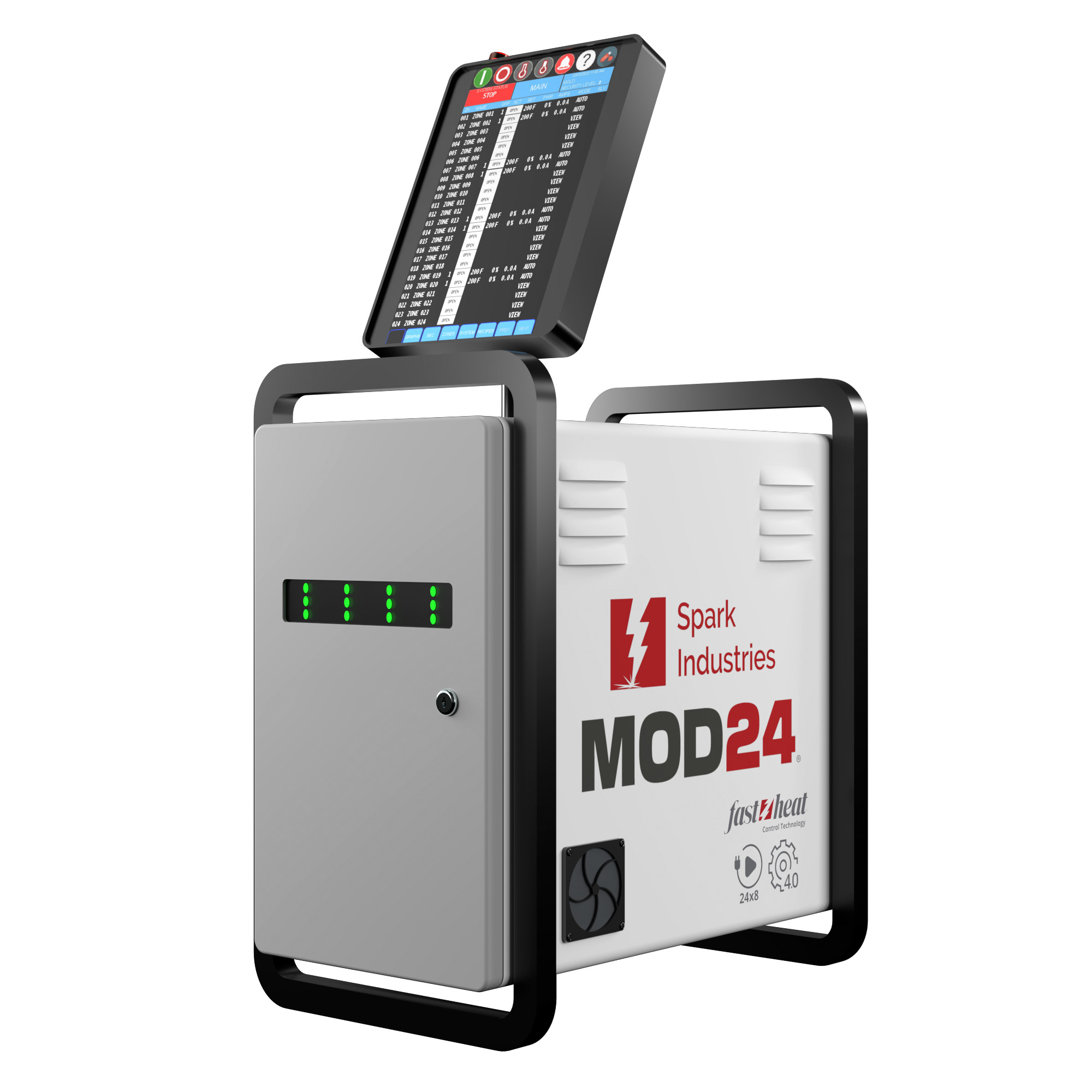
Hot runner I/O integration allows the controller to communicate directly with the rest of the molding cell. Instead of operating in isolation, the Pulse Hot Runner Controller™ becomes an active participant in automation and process control.
The controller includes four configurable outputs that use dry contact relays. These outputs can send signals to robots, conveyors, injection molding machines, or plant monitoring systems. Alarms such as over-temperature or under-temperature can trigger immediate actions, such as part diversion, machine stops, or event logging.
An at-temperature output is used in conjunction with Soft Soak. This signal prevents injection until the tool reaches the target temperature and completes its soak time. It ensures that plastic is not injected into a cold or partially expanded tool.
The controller also includes four configurable inputs. These inputs allow external equipment to influence hot runner behavior. For example, if a molding machine exits automatic mode and sits idle, an input signal can trigger automatic temperature idle. When production resumes, another signal can initiate a controlled boost.
This functionality is especially valuable for thermal gate applications where material freeze-off is a concern. Automated boost and idle control reduce scrap and stabilize restarts.
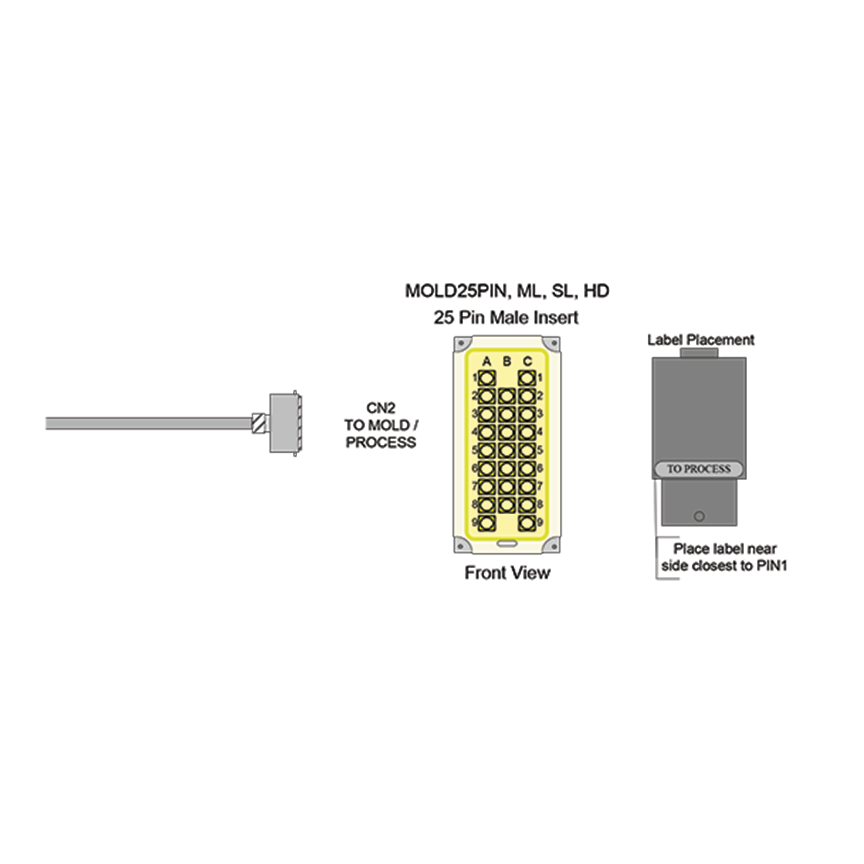
With flexible configuration and simple wiring, hot runner I/O integration enhances safety, automation, and process consistency without adding complexity.
FAQs
How many I/O channels are available?
Four outputs and four inputs.
What can outputs control?
Robots, conveyors, injection machines, alarms, and data logging systems.
What is the at-temperature signal used for?
To block injection until the tool has fully soaked at temperature.
Can I/O trigger idle and boost automatically?
Yes. Inputs can control idle and boost behavior.
Are I/O signals configurable?
Yes. Signal types and behaviors are user-defined.